
Sectors
Ports and Maritime
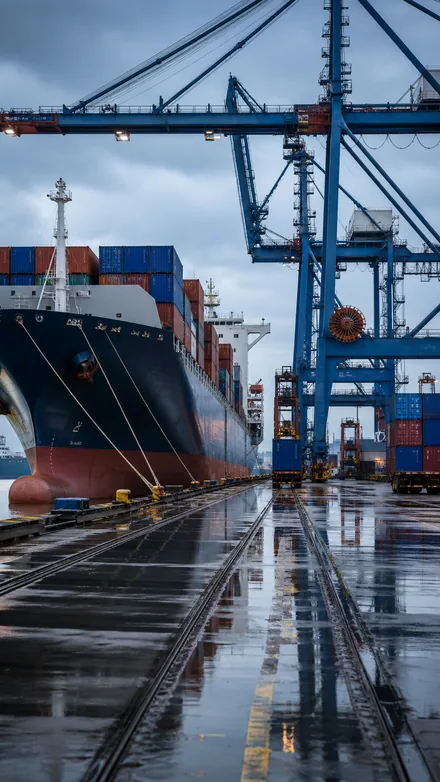
The port sector is a strategic field of activity at the intersection of maritime trade, logistics, transport, storage, customs, infrastructure operation and international trade. Port facilities are not merely places where ships berth and cargo is handled. Terminal operators, ship agents, carriers, shippers, container operators, warehouse and bonded warehouse (antrepo) operators, logistics companies, customs brokers and public authorities may each assume different legal obligations within the same operation.
For this reason, it is not enough to assess legal matters in the port sector solely within the framework of maritime trade law. Maritime trade law, transport law, port operations law, customs law, commercial law, contract law, employment law, environmental law, administrative law, insurance law, competition law and international trade law can all become directly interconnected in port activities.
Port Operations and Terminal Operations
The Contractual Structure of Port Operations
The legal basis of port operations is formed by the contracts concluded between the various parties. The scope within which berthing, loading, unloading, terminal services, storage, container handling and other services will be provided should be set out clearly.
The main contracts that may be drafted or become the subject of legal review in port operations are:
- Terminal service agreements
- Loading and unloading agreements
- Cargo handling (elleçleme) agreements
- Storage and yard use agreements
- Container service agreements
- Ship agency agreements
- Agreements relating to towage and pilotage services
- Subcontractor agreements
- Port area lease and use agreements
- Technical maintenance and equipment service agreements
In these agreements, it is important to set out clearly the scope of the service, the pricing method, limits of liability, cargo damage, delay, equipment failure, insurance, force majeure and dispute resolution provisions.
Terminal Operations and Legal Liability
Terminal operators carry out numerous operations in the port area, such as receiving cargo, storing it temporarily, moving it, handling it and delivering it. If cargo is damaged or lost while it is in the terminal area, it may be necessary to determine at which stage, and on which party, liability arose.
In terminal-related disputes, the following in particular may be among the important sources of evidence:
- The time the cargo entered the terminal
- Delivery and receipt records
- The stage at which the damage occurred
- The handling operation
- Storage conditions
- Container seal records
- Camera and operational records
- Damage reports
In operations where cargo changes hands between the ship, the terminal, the warehouse and the land carrier, correctly determining the stage at which the loss arose is of fundamental importance for establishing legal liability.
Loading, Unloading and Cargo Handling Activities
Loading and unloading activities in ports require a high degree of technical precision. The handling of containers, bulk cargo, liquid cargo, project cargo or dangerous goods is subject to different safety and operational standards.
If cargo is dropped or damaged during handling, damages other cargo, or if equipment breaks down, the liability of various parties may come into play.
For this reason, loading and unloading agreements should clearly set out the technical scope of the work, operating procedures, personnel responsibilities, the use of equipment and the liability regime that will apply in the event of damage.
Container Damage and Container Operations
Container transport is one of the fundamental elements of the port sector. Various kinds of damage can occur in the process from the container’s entry into the terminal until it is loaded onto the ship or handed over to the land carrier.
In container disputes, the following should be assessed together:
- The physical condition of the container
- The seal number
- Loading and unloading records
- Terminal gate-in and gate-out documents
- Container weighing records
- The condition of the cargo inside
- Whether the damage was caused by external factors or by the way the container was loaded
Damage to the container itself and loss relating to the cargo inside the container can give rise to different liability relationships from a legal point of view.
Demurrage, Detention and Port Charges
In maritime transport, failure to return a container or transport equipment within the agreed time can give rise to financial obligations such as demurrage and detention. These charges can turn into significant commercial disputes, especially when port and customs processes are congested.
In such disputes, the following should be examined together:
- Free time
- The date the container arrived at the port
- The time of delivery and unloading
- Delays in customs procedures
- Waiting caused by the carrier or the terminal
- Force majeure events
- Tariffs of charges
Demurrage and detention provisions need to be assessed consistently with the contracts of carriage, the terms of the bill of lading (konşimento) and terminal practices.
Maritime Transport, Agency and Customs
The Relationship Between Ports and Maritime Transport
Port activities are directly linked to maritime transport. The ship berthing at the port, the cargo being received and discharged, and new cargo being taken on board create different contractual relationships within the same operation.
In this context, bills of lading, contracts of carriage, freight relationships and the liability of the carrier should be assessed together with port operations.
In cargo damage cases in particular, determining whether the loss occurred on the ship, at the terminal or during land transport can directly affect which legal regime governs liability.
Ship Agency and Representation
Ship agents may assume important duties in carrying out port operations on behalf of the shipowner or operator. Port entry and exit formalities, document management, coordination with service providers and certain commercial transactions can form part of the agency relationship.
The scope of the agent’s authority, which transactions it may carry out on behalf of the shipowner, and its relationships with third parties should be set out clearly in the contract.
It is important to set up the contractual framework in detail in order to prevent disputes that may arise between the agent and the shipowner, particularly concerning expenses, payments, procurement of services and authority of representation.
Customs Procedures and Port Operations
Ports are places where import and export transactions take place intensively. The arrival of cargo at the port or its departure from the port often depends on the completion of customs procedures.
Delays in customs processes can have economic consequences such as:
- Storage costs
- Demurrage
- Container waiting charges
- Production delays
- Failure to meet delivery commitments
Missing or incorrect documents, misclassification of goods, and disputes concerning customs value or the origin of goods can directly disrupt port operations.
Bonded Warehouse and Storage Activities
Bonded warehouses and storage areas within port areas play an important role in the temporary storage of cargo. Damage to or loss of cargo during storage, or failure to store it under appropriate conditions, can give rise to legal liability.
Storage standards need to be set out clearly, especially for temperature-controlled products, dangerous goods or high-value cargo.
Storage agreements can regulate the acceptance of cargo, storage conditions, delivery procedures, insurance, liability in the event of damage and storage fees.
Port Safety, Subcontractors and the Environment
Dangerous Cargo and Safety Obligations
The handling of chemicals, flammable products, petroleum derivatives and other dangerous cargo in ports is subject to special safety standards. In such operations, a small mistake can cause serious environmental and physical damage.
In dangerous cargo processes, the following should be assessed together from both a legal and an operational perspective:
- Correct classification of the cargo
- Labelling and documentation
- Storage conditions
- Staff training
- Fire and emergency plans
- Suitability of transport equipment
- Environmental risks
Occupational Health and Safety in Ports
Port operations carry a high risk of workplace accidents because of heavy equipment, cranes, containers, moving vehicles and loading and unloading activities.
Employers and service providers must take the necessary measures for the safety of employees, carry out risk assessments and train employees appropriately.
When a workplace accident occurs, the following are assessed together:
- The liability of the port operator
- Subcontracting relationships
- Equipment safety
- The fault of the employee
- Risk assessments
- Occupational safety training
Subcontractor and Service Provider Agreements
Port operators may outsource security, maintenance, cleaning, technical service, transport, towage or other services. In this case, the service provider’s area of duty and liability should be set out clearly in the contract.
The allocation of liability for workplace accidents, equipment damage and damage caused to third parties becomes particularly important where employees of more than one company work in the same port area.
Environmental Law and Marine Pollution in Ports
Because of their environmental impact, port activities are subject to strict regulation. Fuel leaks, chemical spills, ship-generated waste, waste water and improper storage of dangerous substances can lead to marine and environmental pollution.
Within environmental obligations, the following are important:
- Waste management
- Reception of ship-generated waste
- Management of dangerous substances
- Prevention of marine pollution
- Emergency response procedures
- Environmental permits and obligations
In addition to administrative fines, environmental incidents can lead to clean-up costs, third-party claims and wider consequences for the business.
Port Investments, Tariffs and Competition
Port Areas, Land Use and Easements
Port facilities need large areas and long-term rights of use. The ownership of the port area, the allocation model, the lease relationship or other rights of use are important for the legal security of the investment.
In port development projects, the following should be assessed from a legal point of view:
- The legal status of the property
- Use of coastal areas
- Allocation processes
- Easements (irtifak hakları)
- Lease and use agreements
- Zoning and building conditions
Port Investments and Project Finance
Port projects are long-term investments that require substantial capital. Terminal expansion, new quays, warehouses, cranes and automation systems can create significant financing needs.
In investment and financing processes, legal structures such as the following can be used:
- Project finance agreements
- Loan agreements
- Security structures
- Assignment of project revenues
- Share pledges
- Equipment finance
For lenders, the licences held by the port, its rights of use, its revenue contracts and existing legal risks can be important.
Legal Review in Port Acquisitions and Transfers
The acquisition of a port business or terminal company can be a high-value, multi-layered transaction. For this reason, it is important to carry out comprehensive legal due diligence before investing.
In the due diligence process, the following can be examined:
- Corporate and shareholding structure
- Port rights of use
- Licences and permits
- Terminal agreements
- Real estate
- Environmental obligations
- Employee relations
- Financing agreements
- Pending lawsuits and disputes
Port Tariffs and Commercial Terms
Terminal services, storage, handling and other port services can be charged according to various tariffs. It is important that the tariff conditions are clearly communicated to customers and are consistent with the contracts.
Changes in charges, fees for additional services, late charges and payment terms can lead to disputes between port operators and their customers.
Competition Law and Port Services
Because of their geographical location, port operators may have significant market power in certain regions. For this reason, the pricing of port services and the terms applied to customers can also be important from a competition law perspective.
The exchange of price or customer information between competing businesses, the application of discriminatory terms to certain customers or long-term exclusivity arrangements may require assessment under competition law.
Digitalisation, Data and Cybersecurity
Digitalisation and Smart Terminal Systems in Ports
Modern port operations are run largely through digital systems. Terminal operating systems, automated container tracking systems, vehicle and number plate recognition, electronic document systems and IoT-based equipment have become important parts of operations.
The use of these technologies brings IT law issues such as the following into port operations:
- Data security
- Software licences
- System integrations
- Ownership of operational data
- Protection of personal data
- Cybersecurity
Cybersecurity in Ports
Ports’ operating systems, ship movements, container records, payment infrastructure and customs connections depend on digital systems. For this reason, a cyber attack can affect not only a port’s information systems but also its physical operations.
The terminal operating system being disabled, container information being altered or access systems being taken over can create serious economic and security risks.
For this reason, it is important that agreements with technology providers regulate cybersecurity standards, incident notification, data backup, business continuity and technical response times.
Personal Data Protection and Port Operations
Port operators may process personal data about employees, visitors, drivers, ship crew and customers. Camera systems, number plate recognition, access cards and digital terminal records may be among these data sources.
For this reason, under the Law on the Protection of Personal Data No. 6698 (KVKK), the following should be structured from a legal point of view in port operations:
- Privacy notice processes
- Camera recordings
- Visitor records
- Number plate and vehicle information
- Employee data
- System access logs
- Data retention periods
Insurance and International Port Operations
Insurance and Port Risks
Because port operations involve high-value cargo, equipment and heavy machinery, insurance is an important risk management tool.
Depending on the business model, terminal operator’s liability insurance, equipment insurance, cargo insurance, employer’s liability insurance and cover for environmental risks may come into play.
When damage occurs, the insurance policy and the liability provisions in the terminal and service agreements need to be assessed together.
International Port Operations and Cross-Border Disputes
Port activities are international by nature. The owner, carrier, insurer and terminal operator of the same cargo may be located in different countries.
For this reason, the following are of particular importance in contracts:
- Governing law
- Competent court
- International arbitration
- Documents in foreign languages
- International carriage rules
In large-scale terminal and maritime trade disputes in particular, arbitration may be one of the preferred methods of resolution because of its technical and international nature.
Managing Port-Related Disputes
A significant proportion of port disputes are high-value and technical in nature. Cargo damage, container disputes, terminal delays, equipment failures, storage losses or receivables arising from port services can lead to several parties bearing liability for the same incident.
In these disputes, operational records, terminal logs, camera recordings, cargo documents, bills of lading, damage reports and technical examinations should be assessed together with the contracts.
Depending on the nature of the specific case, resolution through negotiation, mediation, litigation or arbitration can be considered.
Scope of Legal Work in the Port Sector
In the port sector, legal work covers a wide field of activity, from the contractual framework of terminal operations to cargo and container disputes, from customs and storage processes to port investments, and from environmental obligations to digital terminal systems.
As Attorney Ezgi Çalışkan, I assess legal matters in the port sector together with their links to maritime transport, terminal operations, commercial contracts, customs, insurance, environmental law and IT law. To determine legal liability correctly in a port operation, I believe it is necessary to examine not only the contract, but also the chain of operations from the cargo’s entry into the terminal until the moment of delivery.